
Winning ads. On brand. At scale.
Thirty new ads before your coffee gets cold, every one built from your own photography, fonts, and palette. Test as much creative as your account can absorb, without waiting on anyone to make it.

I turned it into a little video and sent it to my family.
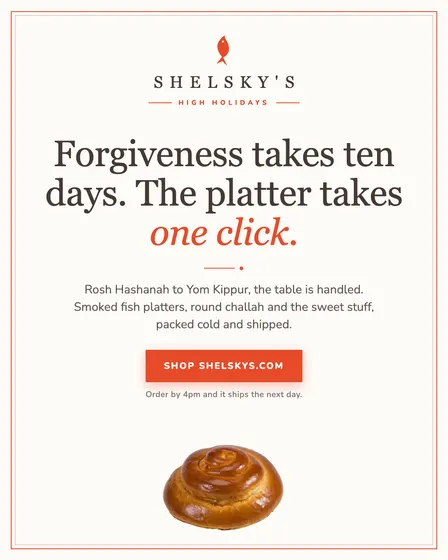
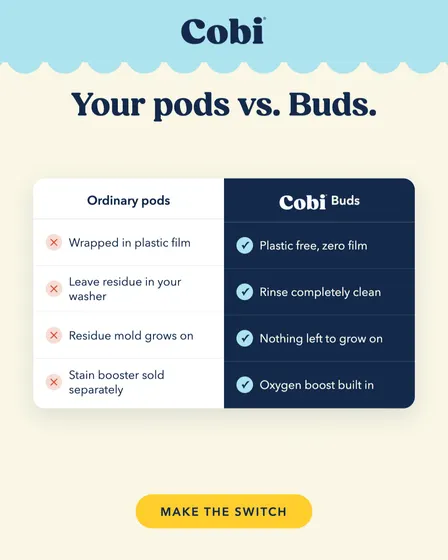
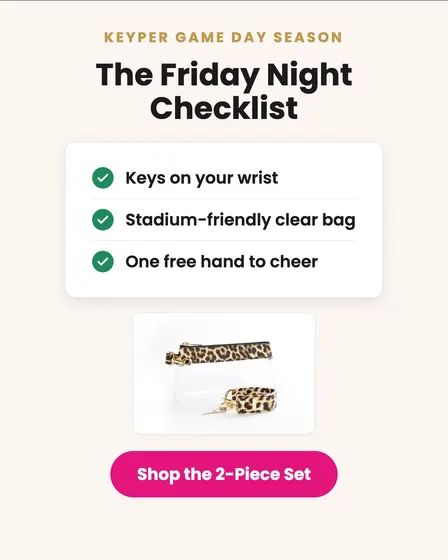
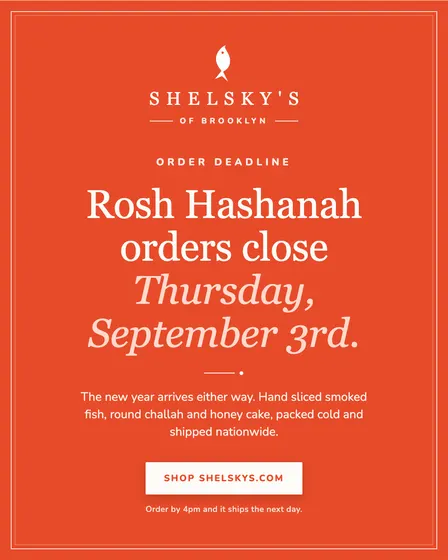
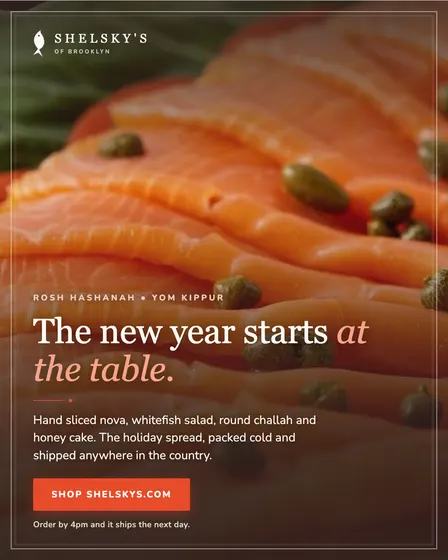
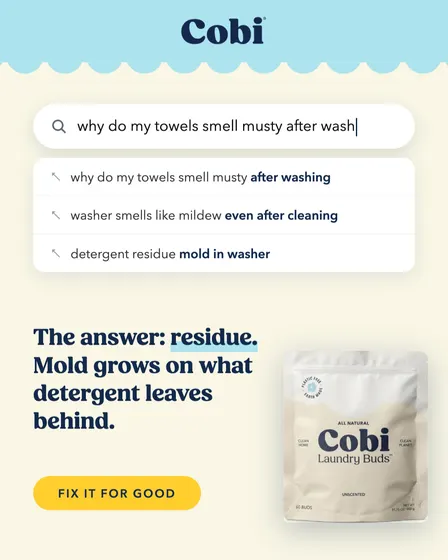
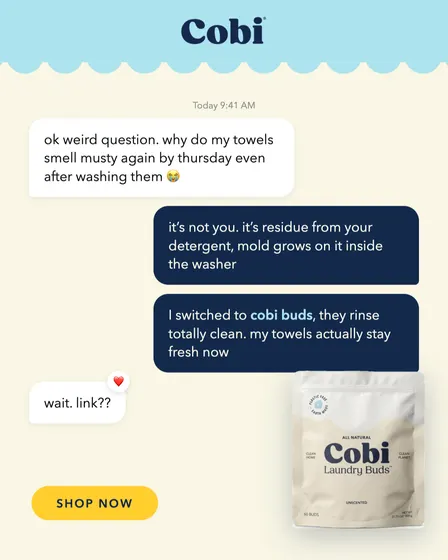
Every ad below shipped.
Pulled from live client accounts, dozens of distinct formats, all produced in the last few months. The volume is not the point. The point is that at volume, every account still looks like itself.
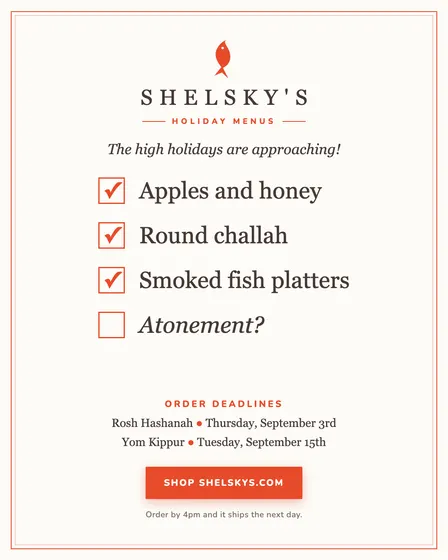

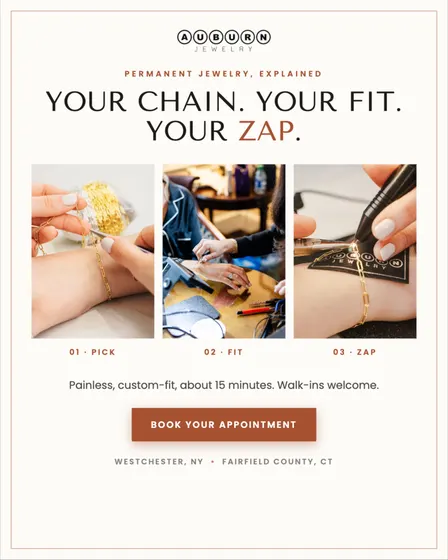
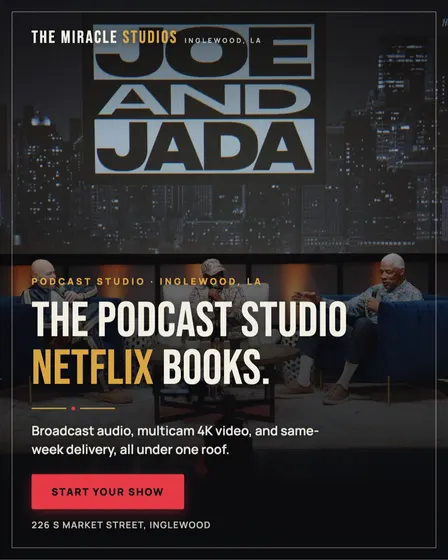
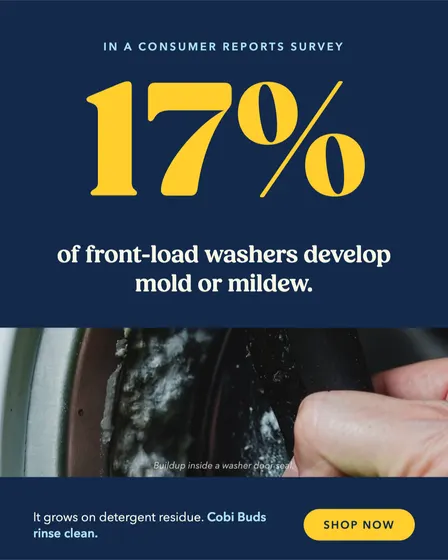
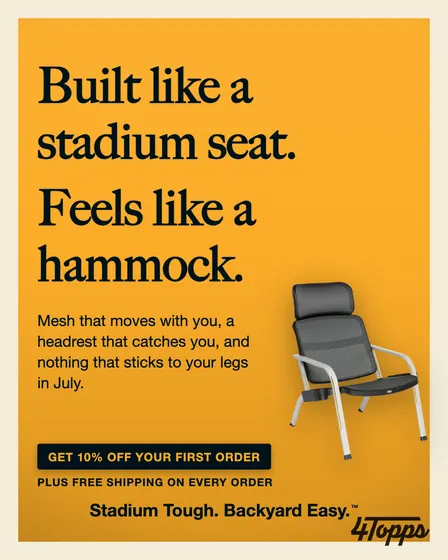
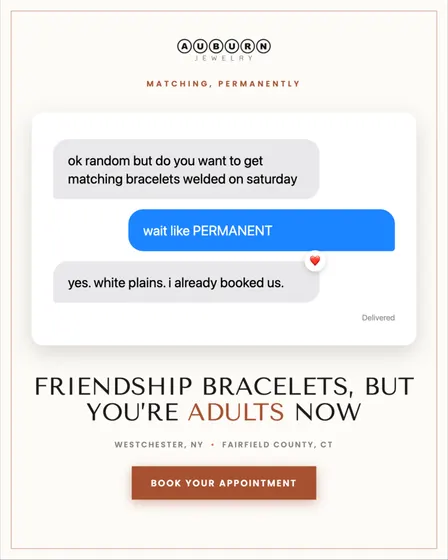
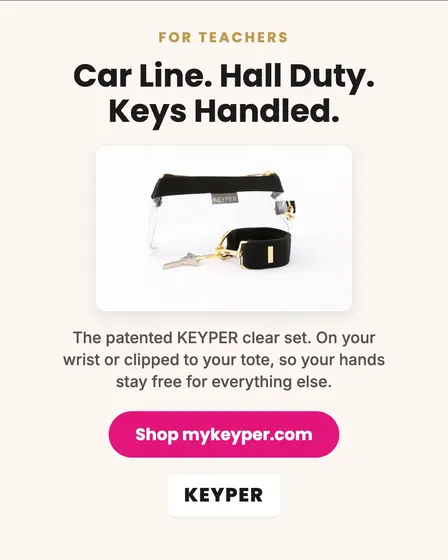
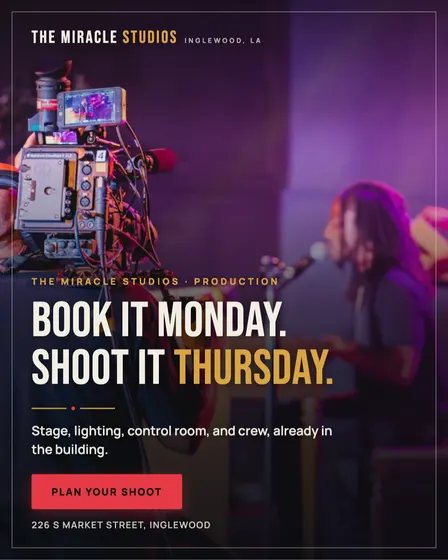
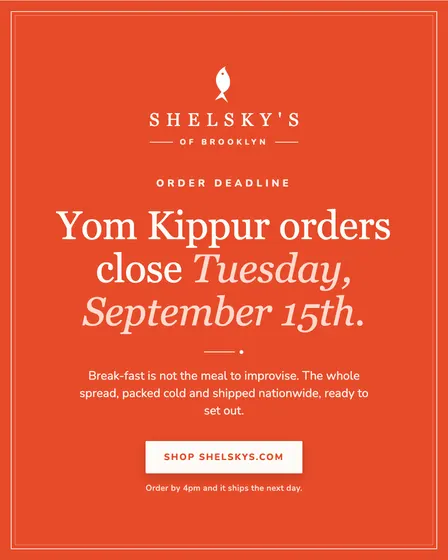
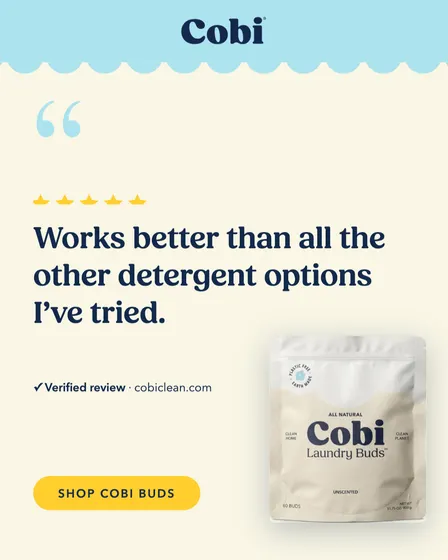
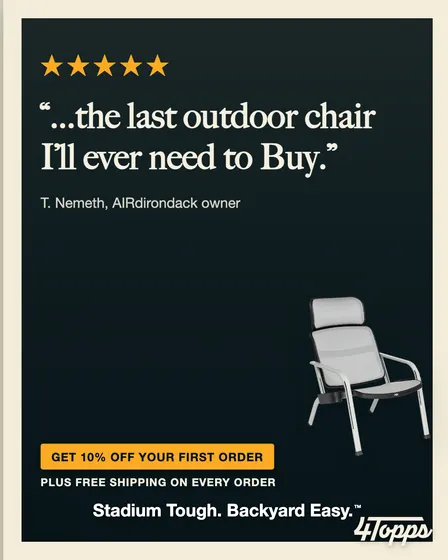

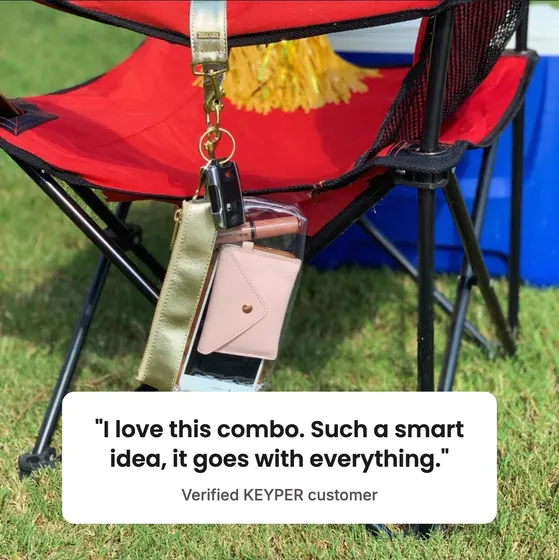

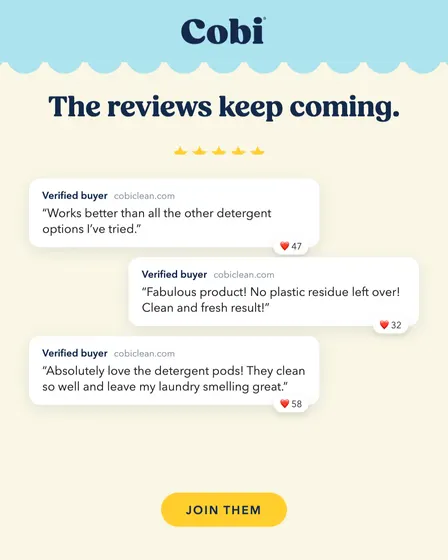
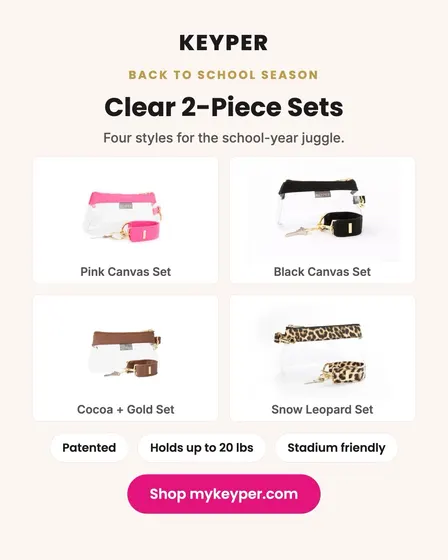
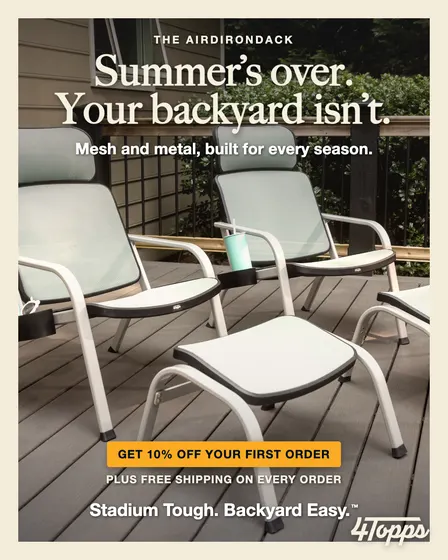
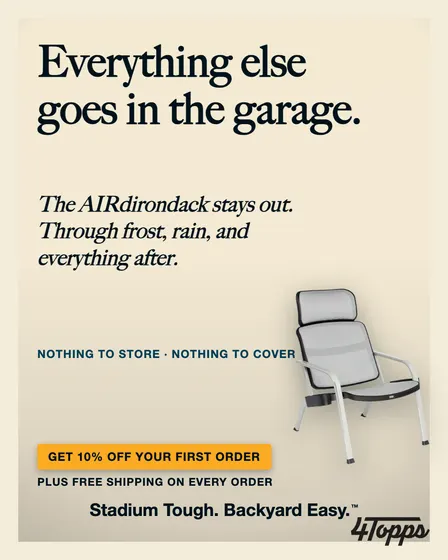
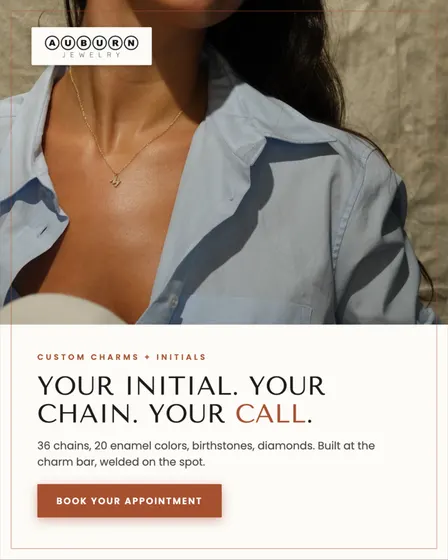
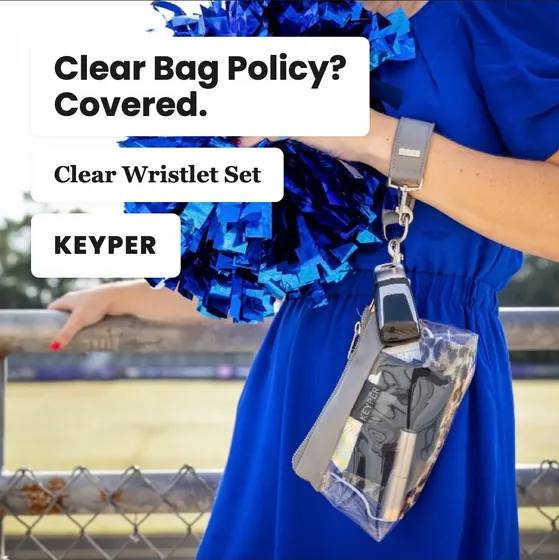

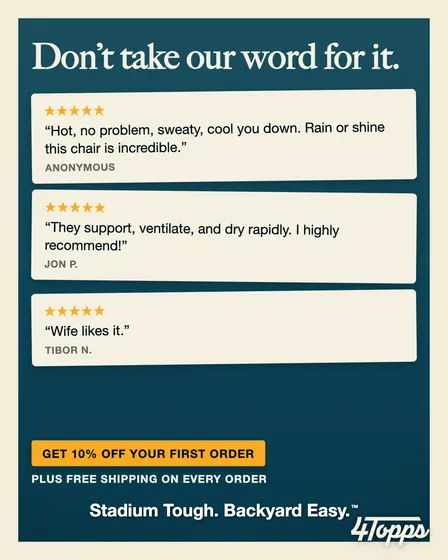
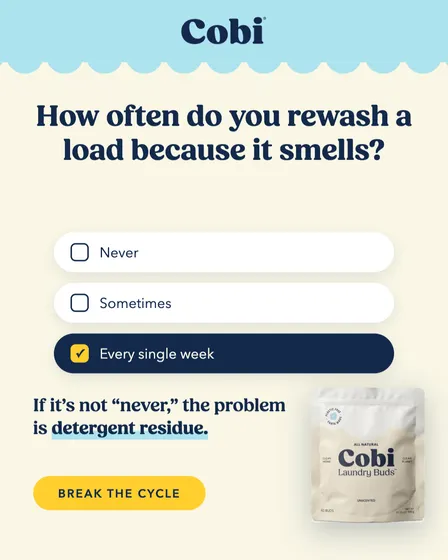
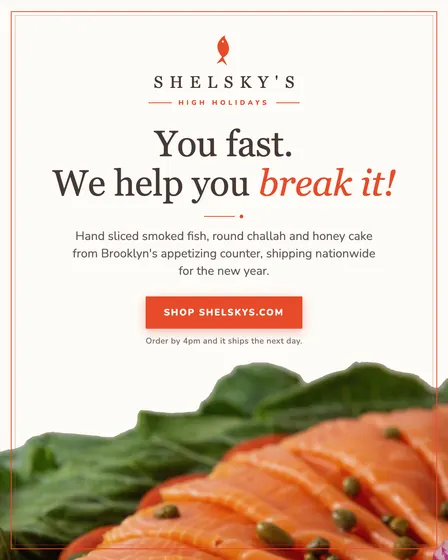
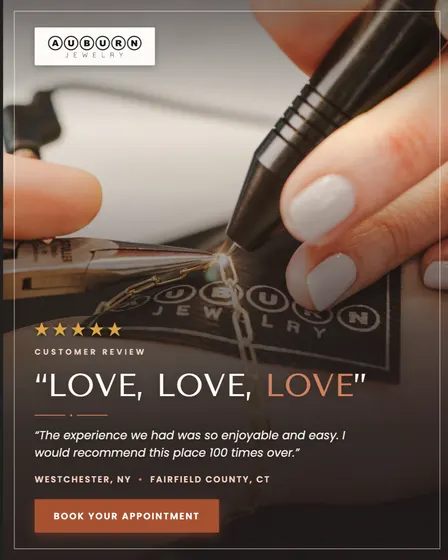
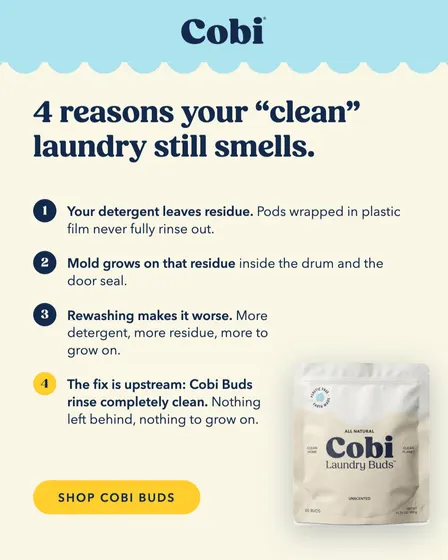
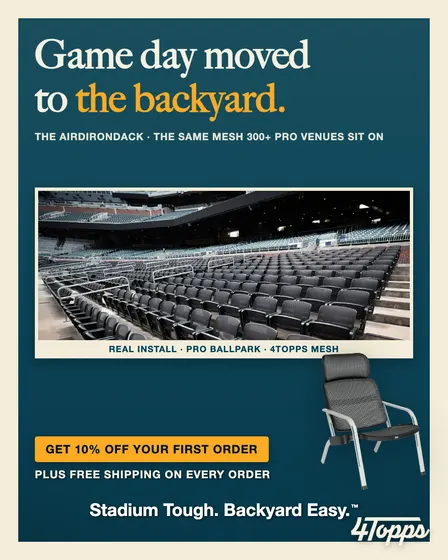
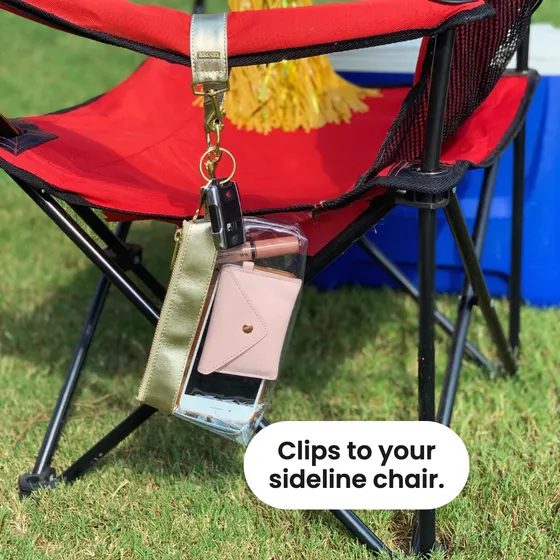

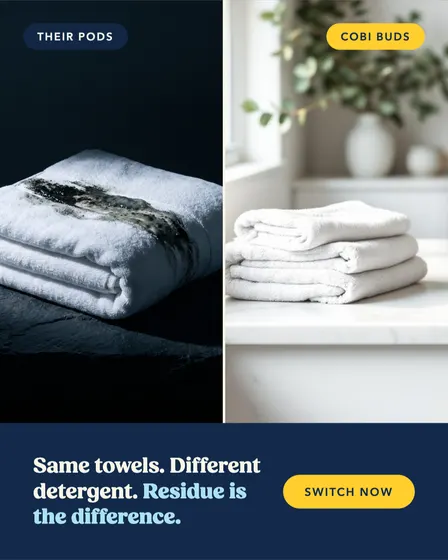

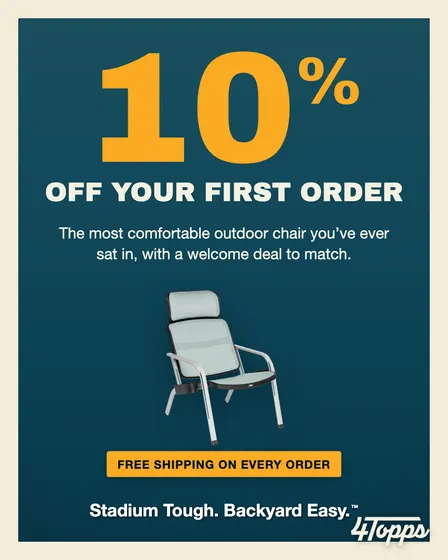
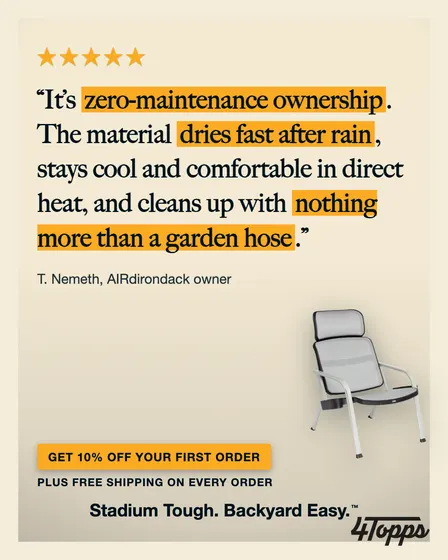
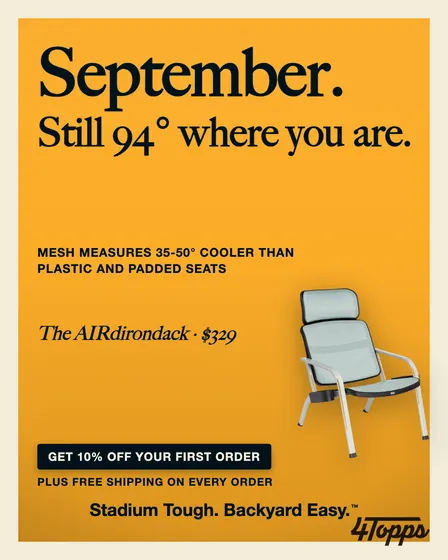
No two brands come out alike.
A sample of the range: an appetizing counter in Brooklyn, a plant-based laundry brand, an outdoor furniture company, a permanent jewelry studio, a stadium accessory brand, a 1937 movie house in Inglewood. Nothing shares a template. Each account looks like itself, because the system runs on that brand's design language rather than on ours. Whatever your category looks like, this is what it would look like here.
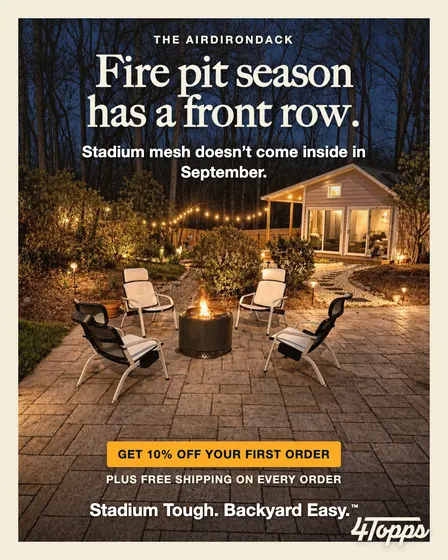
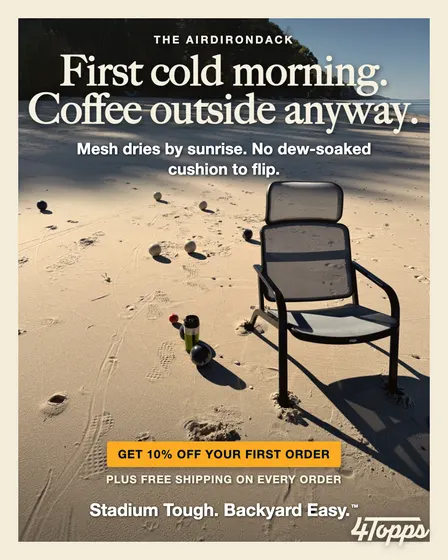

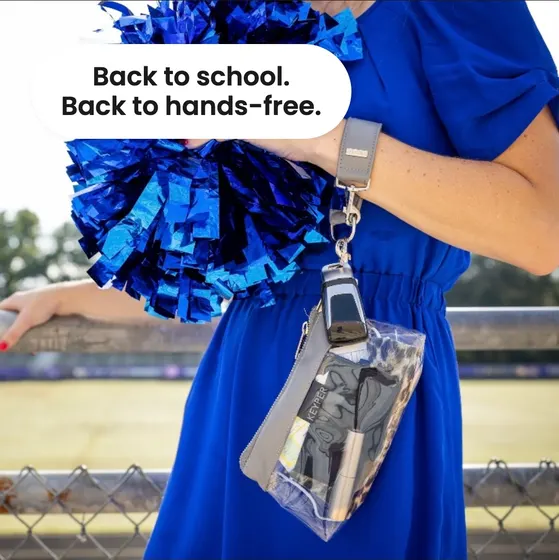
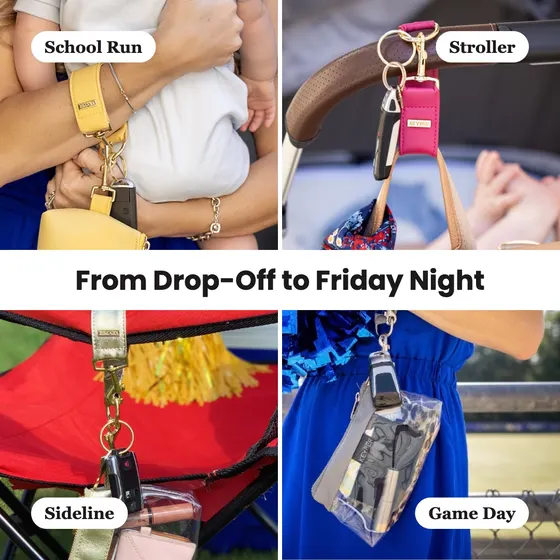
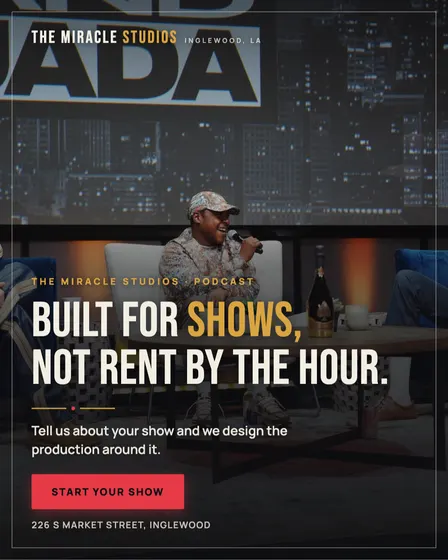
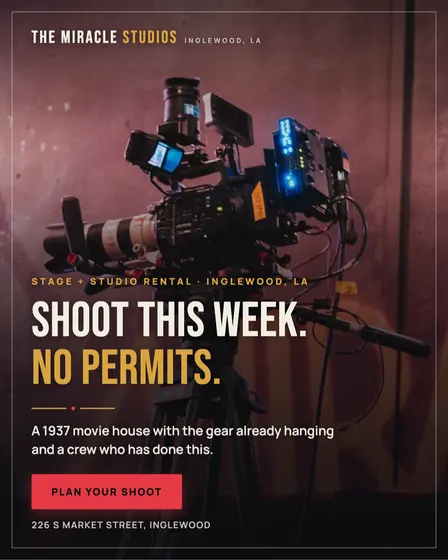
AI does the thinking. It never draws the ad.
AI is great at a lot of things. Consistently generating your ads is not one of them. Every "AI ad" tool tries anyway, generates the whole image, and hands you something that is almost your brand. Almost is the thing customers notice.
So we split the job. The angles come from a brief we build with you, the model writes the copy against it, and the ad itself is built in code from your actual photos, your fonts, your colors. Your product and your logo are never generated. That is why every ad on this page looks right, and why thirty of them takes a morning instead of a month.
You also set the line on AI imagery once. Some brands allow synthetic backgrounds and set dressing, some allow nothing but their own photography. Whatever you decide, the system never touches an image or video model without your say-so.
What it looks like from your side.
Approve your brand once
We build your design system from your brand book, your site, and your assets. You correct it, you sign off. After that, nothing drifts, and you stop finding the one detail that is off.
Ads show up ready to review
Briefed off the campaign plan we build together, in the formats winning in your category right now, rendered in every size. Your only job is yes or no.
Yes means it is in your account
Approved ads land in your ad account, named, paused, ready to launch. The landing page they point at ships at the same time, built from the same system, so the click matches the ad.
Winners iterate on their own
The system watches how each ad performs, brings you fresh takes on what is working, and flags what is not before it burns budget.
The ad and the page, made together.
Half of ad performance is the page after the click. Every flight ships with its landing page, same brief, same design system, live and not a mockup. Here is one. Scroll it.
The ad
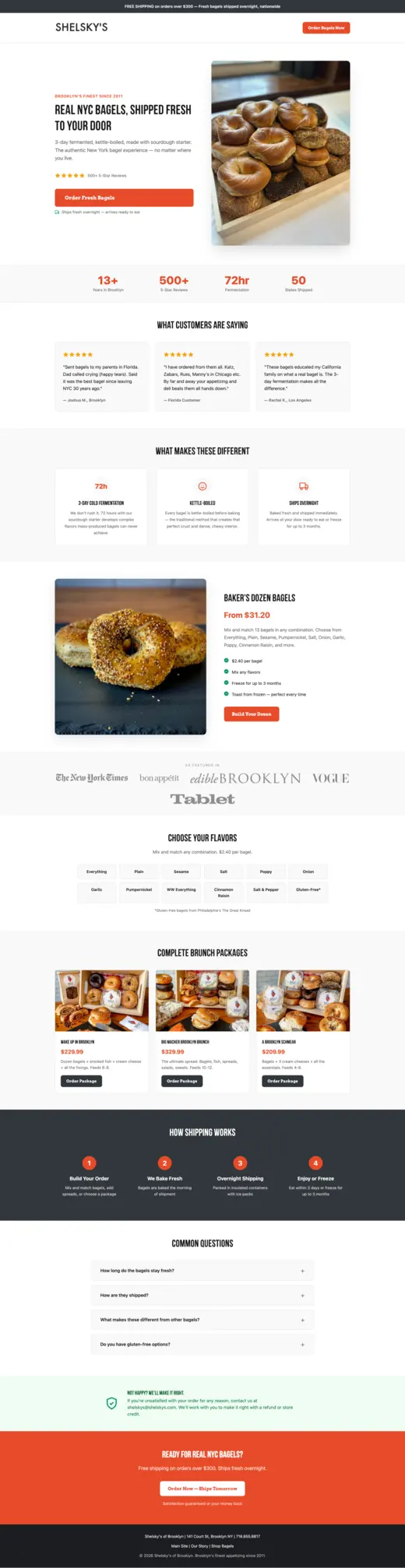
The page it lands on. Scroll it.

Game day accessory, offer-led
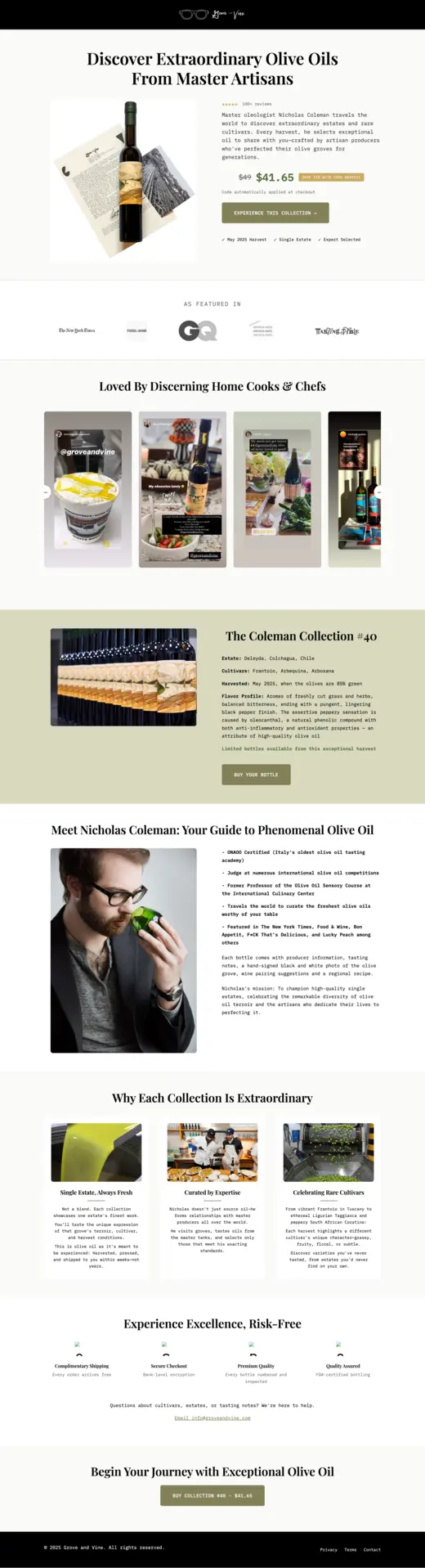
Specialty food, story-led

Studio rental, lead capture
A person still makes the call.
The system handles the production. A performance marketer reviews everything and decides what runs. The judgment stays human.
Tell me what you are producing now.
How many ads a month, who makes them today, and where it breaks. I will tell you honestly whether this fits what you are doing, and roughly what it takes. You will hear back from me, not an account manager.